

Best Plant-Based Wellness Products 2026: Top Picks
Table of Contents
- How We Evaluated the Best Plant-Based Wellness Products for 2026
- Quick Comparison: Top Plant-Based Wellness Products at a Glance
- Best Plant-Based Supplements for Beginners: Where to Start
- Nutrient Needs, Bioavailability, and Omega-3s on a Plant-Based Routine
- How to Choose Vegan Wellness Products: Clean Labels, Certifications, and Allergen Checks
- Medication Interactions and Safety Considerations
- Which Plant-Based Wellness Product Should You Pick?
- Conclusion
Last Updated: August 6, 2026
The plant-based wellness market has expanded dramatically, making it difficult to choose the right products. At Healthy Embraces, we've evaluated what actually works for people managing daily tension, poor sleep, and low-grade physical stress. This guide covers the best plant-based wellness products for 2026 across supplements, topical creams, and functional beverages, plus how to read labels, compare budget versus premium options, and flag medication interactions most guides skip.
Quick Picks:
- Best Topical for Tension and Nerve Support: Healthy Embraces Relax Cream and VN Stress Support Cream
- Best Plant-Based Protein for Athletes: Garden of Life Sport Organic Plant-Based Protein
- Best Clean-Label Protein for Beginners: Naked Pea Premium Pea Protein Powder
- Best Adaptogen Beverage: Recess Mood
- Best Nootropic Supplement: Mind Lab Pro
How We Evaluated the Best Plant-Based Wellness Products for 2026
Plant-based wellness is the practice of supporting physical and mental health using ingredients derived entirely from botanical, fungal, and mineral sources, without synthetic additives or animal-derived compounds. We evaluated products on six criteria: ingredient transparency with no proprietary blends, bioavailability, third-party certification, clean label compliance, sustainability and sourcing, and value across price tiers. We prioritized products with verifiable certifications over those relying on marketing language alone.

Quick Comparison: Top Plant-Based Wellness Products at a Glance
| Product | Category | Price | Best For | Key Certification |
|---|---|---|---|---|
| Healthy Embraces Relax Cream | Topical cream | $26.95 | Muscle tension, daily stress | Essential oil-based, plant-derived |
| Healthy Embraces VN Stress Support Cream | Topical cream | $26.95 | Nerve support, relaxation | Botanical blend |
| Healthy Embraces Good Night Cream | Topical cream | $26.95 | Sleep support | Essential oil-infused |
| Garden of Life Sport Protein | Protein powder | $44.79 (19 servings) | Athletes, muscle recovery | NSF Certified for Sport, Organic |
| Naked Pea Protein | Protein powder | $57.99 (5 lb tub) | Clean-label beginners | Third-party tested |
| Ora Organic Protein | Protein powder | $39.99 (20 servings) | Superfood nutrition | Organic, no added sugar |
| Truvani Organic Protein | Protein powder | $59.99 (20 servings) | Clean ingredients, taste | Organic, monk fruit sweetened |
| Recess Mood | Adaptogen beverage | $29.99 (12-pack) | Stress, focus | Zero sugar, no artificial ingredients |
| Mind Lab Pro | Nootropic supplement | $69.00 (1 month) | Cognitive function, stress resilience | Plant-based, stimulant-free |
| MaryRuth Organics Multivitamin | Liquid multivitamin | $44.95 (32 servings) | Nutrient gaps, immune health | Vegan, non-GMO, allergen-free |
Best Plant-Based Supplements for Beginners: Where to Start
The biggest mistake beginners make is buying five different supplements at once. Start with what addresses your most pressing need, assess how your body responds, and build from there.

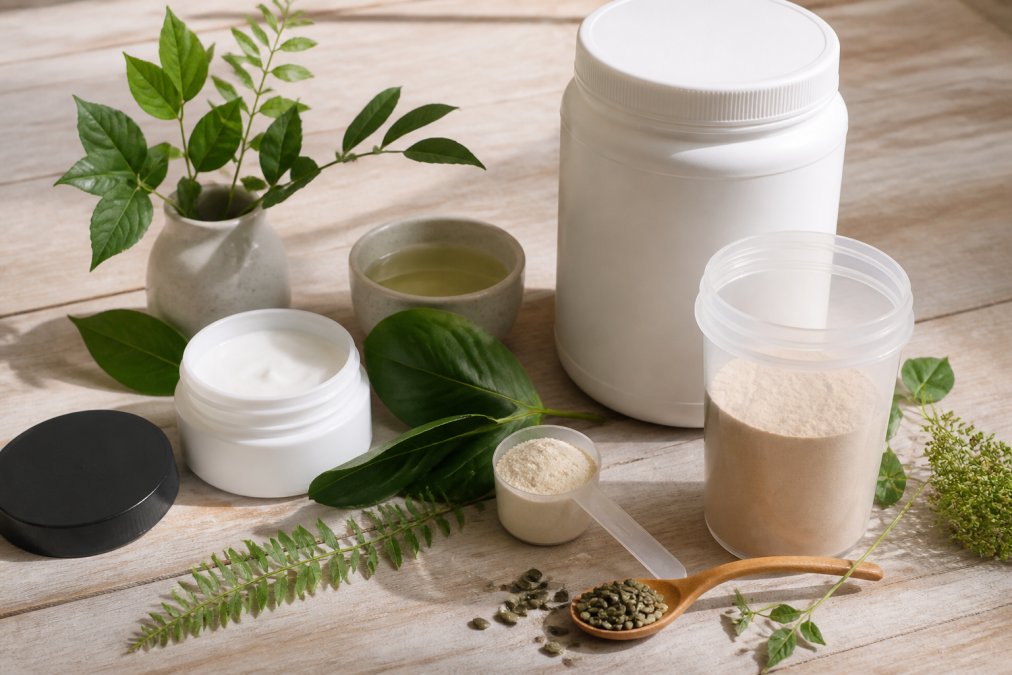
For most people new to plant-based wellness, three categories cover the majority of daily needs: a topical support cream for physical tension, a protein supplement if dietary intake is low, and a multivitamin to address common micronutrient gaps. According to National Institutes of Health Office of Dietary Supplements, people following plant-based diets are at higher risk of deficiencies in vitamin B12, vitamin D, iron, calcium, and omega-3 fatty acids.
Plant-Based Protein Powders for Muscle Recovery
Plant-based protein powders work best when they deliver a complete amino acid profile, meaning all nine essential amino acids your body cannot synthesize on its own.
Garden of Life Sport Organic Plant-Based Protein is the top pick for athletes. At 30g of protein per serving with 5g BCAAs and 5g glutamine, the amino acid profile supports genuine muscle repair. The NSF Certified for Sport designation means the product has been independently tested for banned substances, critical for anyone competing. The blend of pea, sprouted navy bean, sprouted lentil, garbanzo bean, and cranberry protein covers the essential amino acid spectrum more completely than single-source powders.
Naked Pea Premium Pea Protein is the cleaner choice for beginners who want simplicity. One ingredient, third-party tested for heavy metals, no artificial additives. At 27g protein per serving, it's solid, and the unflavored version works in savory recipes.
Truvani Organic Protein sits at the premium end of the clean-label category. Sweetened with monk fruit rather than stevia or sucralose, it avoids the aftertaste that turns many people off plant-based powders. The pea, pumpkin seed, and chia combination improves the amino acid profile over single-source pea.
Essential Oil Creams for Daily Tension and Relaxation Support
Topical plant-based support is underutilized, particularly for persistent muscle and nerve tension that doesn't respond well to oral supplements alone.
Relax Cream by Healthy Embraces ($26.95) is formulated specifically for people whose bodies feel tense or overstimulated. The non-greasy, essential oil-based formula absorbs into the skin rather than sitting on top of it. Office workers dealing with knotted shoulders find this particularly useful applied at the end of the workday.
VN Stress Support Cream ($26.95) targets the vagus nerve pathway with a calming botanical blend. For people experiencing nerve tingling or persistent tension in the neck and jaw, this formulation offers a different mechanism than a standard muscle cream.
Good Night Cream ($26.95) is infused with essential oils traditionally associated with sleep support. Applied as part of a nighttime routine, it signals the nervous system toward rest.

Adaptogens, Nootropics, and Functional Beverages
Adaptogens are plant-derived compounds that help the body maintain balance under physical or psychological stress. They don't sedate or stimulate in the conventional sense; they modulate the stress response.
Recess Mood is the most accessible entry point into adaptogen-infused functional beverages. The sparkling water format contains ginseng, L-theanine, and magnesium, with zero sugar and no artificial ingredients. At $29.99 for a 12-pack, the adaptogen and magnesium content justifies the premium for daily stress management.
Mind Lab Pro takes a comprehensive approach to cognitive function and stress resilience. The 11-ingredient formula includes Rhodiola Rosea and Lion's Mane mushroom, both studied for effects on mental clarity and stress adaptation. It's stimulant-free, with no caffeine jitters. Effects take several weeks of consistent use to become noticeable.
Nutrient Needs, Bioavailability, and Omega-3s on a Plant-Based Routine
The most overlooked aspect of plant-based wellness is what you might be missing. Nutrient density varies significantly between whole-food plant sources and processed plant-based products, and bioavailability is often lower in plant-derived forms than animal-derived equivalents.
Omega-3 fatty acids are the clearest example. Plant sources like flaxseed and chia provide ALA, a short-chain omega-3. The body must convert ALA to EPA and DHA, the long-chain forms that support brain function and cardiovascular health. That conversion rate is low in most people, which is why algae-based omega-3 supplements are recommended as the most bioavailable plant-derived source. According to Harvard T.H. Chan School of Public Health nutrition resource, algae-based DHA is the original source from which fish accumulate their omega-3s.
Iron, calcium, and zinc from plant sources are also subject to reduced bioavailability due to phytates and oxalates, compounds that bind to minerals and limit absorption. Pairing iron-rich plant foods with vitamin C sources improves absorption meaningfully. A liquid multivitamin like MaryRuth Organics Liquid Morning Multivitamin ($44.95 for 32 servings) addresses several of these gaps in a format that absorbs more readily than capsules.
B12 is non-negotiable on a fully plant-based diet. No whole plant food contains meaningful amounts of bioactive B12. Supplementation is a fundamental requirement.
How to Choose Vegan Wellness Products: Clean Labels, Certifications, and Allergen Checks
Choosing vegan wellness products correctly means reading past front-of-package claims and into the actual ingredient panel and third-party certifications.
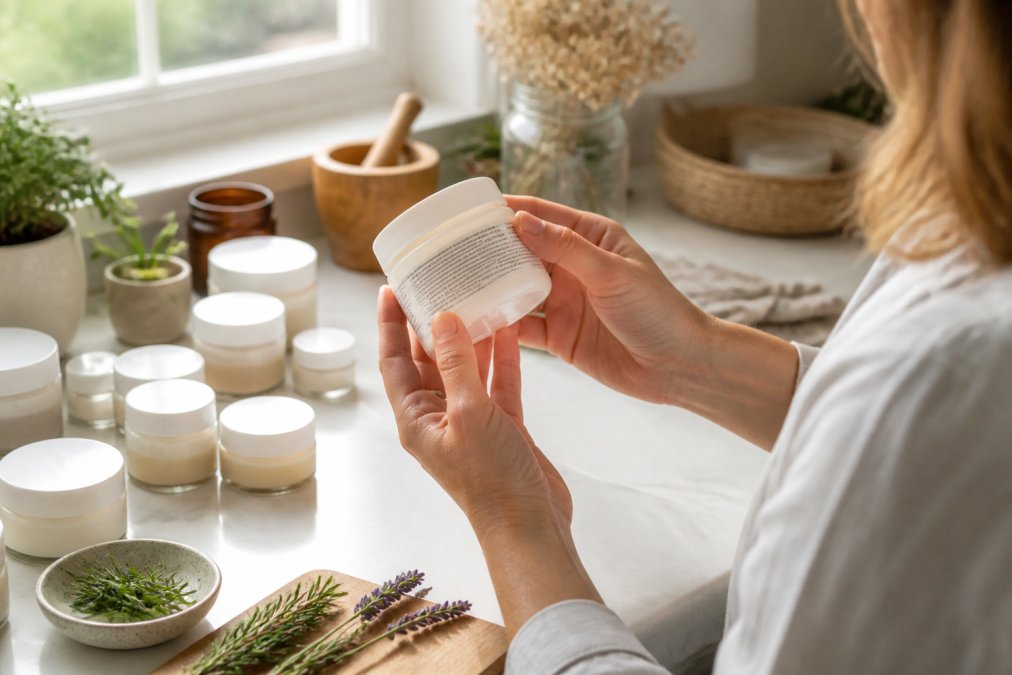
The first question to ask about any product is whether the therapeutic dosage of active ingredients is disclosed. Many supplements use proprietary blends that list ingredients without specifying amounts, making it impossible to assess whether the dose is clinically meaningful. A clean label discloses every ingredient and its quantity.
Reading Certifications: Organic, Non-GMO, and Vegan-Certified
The most relevant certifications for plant-based wellness in the US are:
- USDA Organic: Requires that ingredients are grown without synthetic pesticides, herbicides, or GMOs. Third-party audited annually.
- Non-GMO Project Verified: Independently verifies that products meet strict standards for GMO avoidance.
- Vegan-certified (Vegan Action or Certified Vegan): Confirms no animal-derived ingredients or byproducts.
- NSF Certified for Sport: Critical for athletes. Verifies that the product has been tested for banned substances and that label claims match actual contents.
Not every product needs every certification. The key is that at least one meaningful third-party certification is present.
Budget vs. Premium: What the Price Difference Actually Buys You
At the budget end, you typically get a simpler ingredient list and less rigorous third-party testing. A single-ingredient pea protein powder with basic heavy metal testing can be an excellent product at a lower price point.
At the premium end, you're paying for one or more of the following: more complex formulations with multiple plant protein sources for a complete amino acid profile, higher-tier certifications like NSF Certified for Sport, organic sourcing with audited supply chains, added functional ingredients like digestive enzymes, and better manufacturing standards.
| Price Tier | What You Get | What You Give Up |
|---|---|---|
| Budget (under $30) | Simple ingredients, basic testing | Fewer certifications, less complex formulas |
| Mid-range ($30-$50) | Organic sourcing, better flavor, digestive enzymes | May lack sport certification |
| Premium ($50+) | NSF/third-party sport cert, complete amino profiles, superfood additions | Higher cost per serving |
The Healthy Embraces cream line sits at $26.95 per product, a mid-range price point that reflects botanical formulation quality without the overhead of a complex certification stack.
Sustainability, Ethical Sourcing, and Traceability
Sustainability in plant-based wellness means knowing where key ingredients come from, how they were grown, and whether the supply chain reflects the values the brand claims. A brand that can tell you which farm grew their pea protein, under what agricultural practices, and how it was transported is demonstrating real supply chain accountability. According to USDA Agricultural Marketing Service organic certification standards, certified organic operations must maintain detailed records and submit to annual on-site inspections, making organic certification one of the more reliable traceability indicators available.
When evaluating sustainability, look for: country of origin disclosure for key ingredients, organic or regenerative agriculture certification, cruelty-free and vegan certification, and minimal or compostable packaging.
Medication Interactions and Safety Considerations
Several commonly used plant-based supplements interact with prescription medications in clinically significant ways. Adaptogens and botanical compounds are pharmacologically active, and "natural" does not mean inert.
Key interactions to be aware of:
- Ashwagandha and Rhodiola Rosea (found in adaptogens like Mind Lab Pro) may interact with thyroid medications, immunosuppressants, and sedatives. People managing thyroid conditions should consult a healthcare provider before using adaptogen supplements.
- High-dose omega-3 supplements can have blood-thinning effects and may interact with anticoagulants like warfarin. The FDA guidance on omega-3 fatty acid supplements notes that doses above 3g per day may affect bleeding time.
- Magnesium (present in functional beverages like Recess Mood) can interact with certain antibiotics and medications for osteoporosis, reducing their absorption when taken simultaneously.
- Essential oil topical creams carry lower systemic interaction risk than oral supplements because transdermal absorption of most essential oil compounds is limited.
If you take prescription medications, run any new supplement by your pharmacist before starting. Pharmacists are specifically trained in drug-nutrient interactions.
Which Plant-Based Wellness Product Should You Pick?
The right choice depends on what you're actually trying to address.
For daily tension, nerve discomfort, and sleep: Start with Healthy Embraces. The Relax Cream addresses muscle and joint tension directly, the VN Stress Support Cream targets nerve-related discomfort, and the Good Night Cream supports sleep onset as part of a consistent nighttime routine.
For muscle recovery and protein intake: Garden of Life Sport is the best option for athletes who need a tested, certified product. Naked Pea is the better choice for beginners who want simplicity and transparency.
For cognitive support and stress resilience: Mind Lab Pro is the most comprehensive plant-based nootropic. Recess Mood is a lower-commitment, lower-cost entry point for people curious about adaptogens.
For filling nutritional gaps: MaryRuth Organics Liquid Multivitamin covers the most common deficiencies in plant-based routines, particularly B12, D3, and the B complex.
A practical decision framework:
| Your Primary Need | Start Here | Add Later |
|---|---|---|
| Tension and stress | Healthy Embraces Relax Cream | VN Stress Support Cream |
| Sleep quality | Healthy Embraces Good Night Cream | Magnesium supplement |
| Muscle recovery | Garden of Life Sport Protein | Omega-3 algae supplement |
| Nutrient gaps | MaryRuth Organics Multivitamin | Targeted B12 supplement |
| Cognitive function | Recess Mood (entry) | Mind Lab Pro (sustained) |
Managing physical tension, poor sleep, and the cumulative stress of daily life is harder when you're working through a crowded market without clear guidance. Healthy Embraces offers a focused line of essential oil-based creams designed specifically for these needs: calming muscle and joint tension, supporting nerve health, and encouraging genuine relaxation and restful sleep. The Relax Cream, VN Stress Support Cream, and Good Night Cream are formulated with plant-derived ingredients and priced accessibly at $26.95 each. Get started with Healthy Embraces and build a plant-based wellness routine that addresses what actually bothers you.
Frequently Asked Questions
What are the most trending plant-based wellness products in 2026?
Adaptogen-infused functional foods and beverages, essential oil-based topical creams, and clean-label protein powders are among the fastest-growing plant-based wellness categories in 2026. Products featuring whole-food-based ingredients, non-GMO certification, and transparent sourcing are drawing the most attention from health-conscious consumers. Topical options like essential oil creams for relaxation and muscle tension support have also gained traction as people look for synthetic-free daily wellness routines.
How do I identify high-quality plant-based wellness supplements?
Look for third-party certifications such as USDA Organic, NSF Certified for Sport, or Non-GMO Project Verified. Check the full ingredient list for clean-label transparency, shorter lists with recognizable, plant-derived ingredients are generally a good sign. Bioavailability matters too: liquid formats and products with digestive enzymes tend to absorb more efficiently. For topical products, confirm the formula is free from synthetic fillers and that essential oil concentrations are disclosed.
Are plant-based wellness products regulated by the FDA?
Yes, but with important limits. The FDA regulates dietary supplements under the Dietary Supplement Health and Education Act (DSHEA), which means manufacturers are responsible for safety before products reach shelves, the FDA does not pre-approve supplements. Topical creams are regulated as cosmetics unless they make drug claims. For this reason, seeking products with independent third-party testing and transparent ingredient sourcing is the most reliable way to verify quality and safety.
Can essential oil creams really help with muscle tension and sleep?
Essential oil-based topical creams are formulated to support relaxation and ease physical tension through aromatherapy and skin absorption. Products like Healthy Embraces Relax Cream and Good Night Cream use botanical blends traditionally associated with calming effects and sleep support. While individual responses vary, many users report meaningful relief from desk-related shoulder tension and improved wind-down routines. For best results, apply consistently as part of a nightly or post-work ritual.
Which plant-based supplements are safest to take daily?
Whole-food-based multivitamins, plant-derived omega-3s from algae oil, and clean-label protein powders are generally considered safe for daily use by healthy adults. Adaptogens like rhodiola and ashwagandha are also widely used daily, though cycling them periodically is sometimes recommended. Always check with a healthcare provider before starting any new supplement, especially if you take prescription medications, since some plant-based compounds can affect how certain drugs are processed by the body.
This article was written using GrandRanker