

Best Natural Cream for Sore Muscles: 2026 Guide
Table of Contents
- How Natural Muscle Creams Work on Sore Muscles
- Natural Ingredients for Muscle Pain: What to Look For
- Cooling vs Warming Muscle Creams: Which One Do You Need?
- Top Natural Muscle Creams for Sore Muscles in 2026
- How to Use Muscle Rub for Recovery: Application Techniques
- Safety, Allergy Testing, and Drug-Herb Interactions
- Conclusion
Last Updated: August 5, 2026
Finding the best natural cream for sore muscles means sorting through a crowded market where genuine plant-based formulas compete with products that are "natural" in name only. At Healthy Embraces, we've evaluated what separates a well-formulated botanical cream from one that merely smells pleasant. Below, we break down how these products work, which ingredients matter, and which seven natural muscle creams are worth your attention in 2026.
Quick Picks:
- Best Overall: Healthy Embraces Essential Oil Cream - daily support, nerve comfort, and relaxation in one formula
- Best for Sensitive Skin: Boiron Arnicare Cream - fragrance-free, paraben-free, dermatologically tested
- Best for Athletes: Weleda Arnica Massage Balm - warming, circulation-boosting, built for post-activity recovery
- Best Budget Option: Tiger Balm Active Muscle Rub - fast-acting, affordable, widely available
- Best for Magnesium Deficiency: Ancient Minerals Magnesium Lotion Ultra - transdermal magnesium delivery
How Natural Muscle Creams Work on Sore Muscles
Natural muscle creams work through two primary mechanisms: transdermal delivery of active botanical compounds to underlying tissue, and counter-irritant action that alters how the nervous system perceives pain.
Transdermal Delivery and Dermal Absorption
Transdermal delivery is the process by which active ingredients pass through the skin's outer layers to reach muscle tissue, connective tissue, and nerve endings beneath. Plant-based formulas often use carrier oils such as sunflower, olive, or sweet almond oil, which enhance bioavailability by supporting the skin barrier and improving ingredient penetration. The quality of botanical extracts and their therapeutic dosage directly determine how much active compound reaches the target tissue. A common mistake is applying too little product or rubbing it off immediately, active ingredients need several minutes of contact time to begin absorption.
Counter-Irritant Action and Pain Threshold
Counter-irritant action is the mechanism by which ingredients like menthol, camphor, and certain essential oils create a cooling or warming sensation that distracts nerve cells from deeper musculoskeletal discomfort. Menthol activates cold-sensitive receptors, camphor creates warmth, and methyl salicylate produces a mild analgesic effect by penetrating to inflamed tissue. Many natural creams combine these counter-irritants with anti-inflammatory botanical extracts to address both the sensation of pain and the underlying tissue repair process simultaneously.
Natural Ingredients for Muscle Pain: What to Look For
The difference between a genuinely effective natural cream and an expensive moisturizer comes down to its active ingredients.
Botanical Extracts with Anti-Inflammatory Properties
Arnica montana (arnica flower extract) is the most widely studied botanical for muscle pain, containing helenalin and other compounds associated with reduced inflammation and bruising. Boswellia serrata (frankincense extract) inhibits specific inflammatory pathways and is particularly relevant for chronic joint-related pain. MSM (methylsulfonylmethane) is a sulfur compound that supports tissue repair and is often paired with arnica in professional-grade topical formulas. Birch leaf extract supports circulation stimulation and is traditionally used in warming massage preparations for stiff, achy muscles.
According to the National Center for Complementary and Integrative Health, topical arnica preparations have been studied for their effects on muscle soreness and bruising, making them among the better-evidenced botanical options available.
Therapeutic Essential Oils and Their Roles
Therapeutic essential oils serve multiple functions in muscle creams: counter-irritant action, vasodilation support, and aromatic relaxation that can reduce perceived pain intensity. Peppermint oil delivers menthol-based cooling effect and supports circulation. Wintergreen oil contains methyl salicylate naturally, providing analgesic properties. Lavender oil contributes anti-inflammatory and calming properties. Rosemary oil supports circulation stimulation and warming. Camphor produces both warming and mild numbing sensations. Helichrysum is associated with tissue repair and anti-inflammatory support. Blue chamomile offers soothing, anti-inflammatory properties, particularly for sensitive skin.
The key distinction between a well-formulated essential oil cream and a diluted novelty product is therapeutic dosage. Essential oils need sufficient concentration in a proper carrier base to have meaningful effect on muscle soreness.
Ingredients to Avoid in Muscle Creams
Avoid parabens (methylparaben, propylparaben), which are linked to skin sensitization and endocrine disruption concerns. Artificial fragrances are a common source of allergic contact dermatitis. PEGs (polyethylene glycols) are penetration enhancers that may carry contaminants. Petroleum-derived mineral oils create an occlusive barrier that impedes dermal absorption. Synthetic dyes and colorants serve no therapeutic purpose and are common allergens.
According to the Environmental Working Group's Skin Deep database, many conventional muscle cream ingredients carry moderate-to-high concern ratings for skin sensitization and systemic toxicity.
Cooling vs Warming Muscle Creams: Which One Do You Need?
Cooling creams work best for acute inflammation: fresh sports injuries, post-workout soreness within the first 24-48 hours, and swollen tissue. Warming creams suit chronic tension, stiff muscles before activity, and delayed onset muscle soreness (DOMS) that sets in 24-72 hours after exercise. Some products, including doTERRA Deep Blue Rub and Tiger Balm Active Muscle Rub, provide both cooling and warming sensations simultaneously.
| Situation | Recommended Type | Key Ingredients |
|---|---|---|
| Acute injury (0-24 hours) | Cooling | Menthol, peppermint oil |
| DOMS (24-72 hours post-workout) | Warming | Camphor, rosemary, birch extract |
| Chronic neck/shoulder tension | Warming | Arnica, camphor, essential oils |
| Pre-workout warm-up | Warming | Methyl salicylate, camphor |
| Nerve-related discomfort | Neutral/cooling | Essential oil blends, magnesium |
| Sensitive or inflamed skin | Cooling/gentle | Arnica, chamomile, fragrance-free |
Top Natural Muscle Creams for Sore Muscles in 2026
Seven products stand out this year for their ingredient quality, formulation integrity, and real-world effectiveness across different user needs.
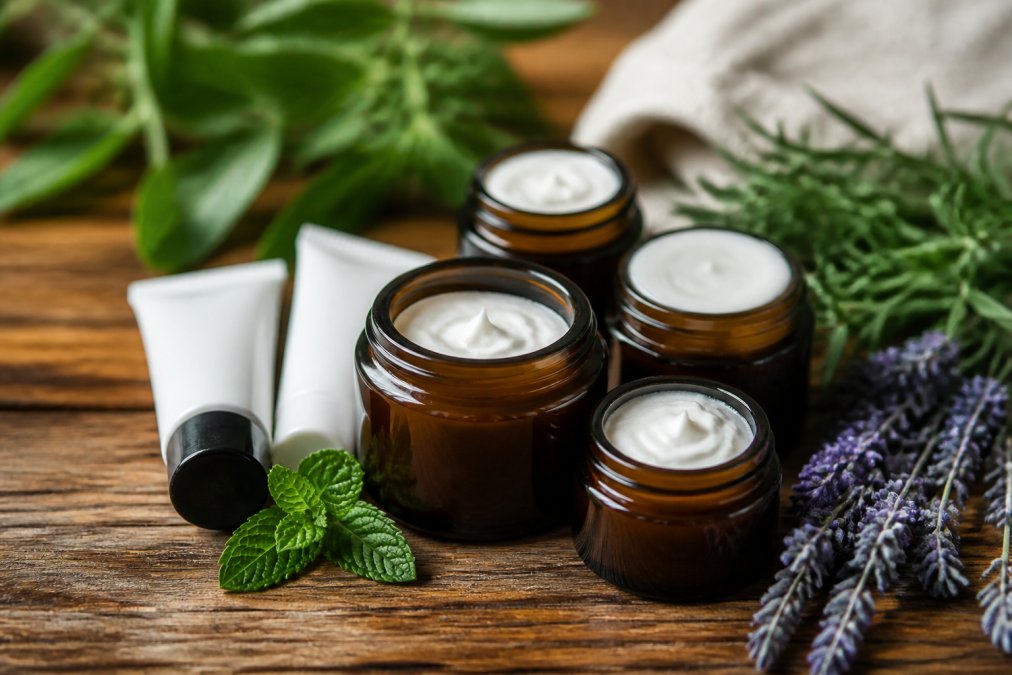
1. Healthy Embraces Essential Oil Cream, Best Overall
The Healthy Embraces Essential Oil Cream supports muscle and joint tension, promotes nerve health, and encourages relaxation simultaneously, making it useful for the full spectrum of people who reach for topical relief.
Healthy Embraces separates itself through its essential oil-based formulation philosophy. Rather than using essential oils as a fragrance afterthought on top of a synthetic base, the entire formula is built around plant-derived actives. This matters for people with sensitive skin who react to hidden synthetic compounds in many "natural" products. The nerve support angle is also worth noting, many buyers seek muscle creams specifically for nerve-related tingling and discomfort in the hands and arms, particularly after prolonged desk work.
For current pricing and product details, visit Healthyembraces.com.
What works: Essential oil-based formula addressing muscle tension, nerve comfort, and relaxation; plant-based approach suitable for health-conscious families; designed for daily use rather than occasional spot treatment.
Worth knowing: As with any essential oil product, a patch test is recommended before full application, particularly for those with reactive skin.
2. Boiron Arnicare Cream, Best for Sensitive Skin
Boiron Arnicare Cream earns its place through restraint. The active ingredient is Arnica montana 1X HPUS at 7%, the formula is fragrance-free, paraben-free, and dye-free, and the moisturizing base uses shea butter for a non-greasy texture. For people who react to most muscle creams, this is often the first one that doesn't cause problems. It works best for mild-to-moderate muscle soreness, stiffness, and bruising rather than acute or intense pain.
Best for: Sensitive skin, mild muscle soreness, bruising, post-minor-injury recovery.
3. Weleda Arnica Massage Balm, Best for Post-Activity Recovery
Weleda's Arnica Massage Balm takes a traditional herbal approach with a warming, circulation-boosting formula built for stiff and achy muscles after strenuous activity. The active ingredients are Arnica montana flower extract and organic Birch leaf extract, blended with sunflower and olive plant oils and naturally fragranced with lavender and rosemary essential oils. The warming sensation supports vasodilation and circulation stimulation, which is exactly what delayed onset muscle soreness responds well to. This is a massage balm designed to be worked into the muscle with pressure, not just applied and left.
Best for: Post-workout recovery, stiff muscles, athletes who prefer a warming herbal balm.
4. Penetrex Joint & Muscle Therapy Cream, Best Multi-Ingredient Formula
Penetrex combines Arnica, MSM, Vitamin B6, and Boswellia Serrata in a professional-grade blend targeting joint inflammation and chronic musculoskeletal discomfort. It's paraben-free, cruelty-free, vegan, and free of strong menthol smell, which matters for workplace use. The multi-ingredient strategy makes Penetrex particularly relevant for conditions like carpal tunnel, tendonitis, and plantar fasciitis, where multiple inflammatory pathways are involved.
Best for: Chronic joint conditions, tendonitis, carpal tunnel, and anyone who needs an odor-free formula for office or daytime use.
5. doTERRA Deep Blue Rub, Best Essential Oil Blend for Athletes
doTERRA Deep Blue Rub is built around the brand's Deep Blue essential oil blend: Wintergreen, Camphor, Peppermint, Blue Tansy, Blue Chamomile, Helichrysum, Ylang Ylang, and Osmanthus. The combination delivers both cooling and warming sensations in a moisturizing, non-greasy base. Helichrysum supports tissue repair, Blue Chamomile contributes anti-inflammatory properties, and Wintergreen provides natural methyl salicylate. The price point is higher than most options on this list, but for athletes who use muscle cream regularly as part of a recovery protocol, the quality justifies the cost.
Best for: Athletes, sports practitioners, anyone wanting a comprehensive essential oil-based rub.
6. Ancient Minerals Magnesium Lotion Ultra, Best for Sleep and Magnesium Deficiency
Ancient Minerals takes a completely different therapeutic approach. Rather than counter-irritant action or botanical anti-inflammatories, this formula delivers magnesium chloride transdermally. Magnesium is involved in hundreds of enzymatic processes, including muscle relaxation, nerve function, and sleep regulation. Many adults are deficient without knowing it, and transdermal magnesium is an efficient delivery method that bypasses gastrointestinal absorption issues.
This is not a pain-relief cream in the traditional sense. What it does is support the underlying conditions that contribute to muscle cramping, chronic tension, and poor sleep. For people whose muscle soreness is connected to stress, tension, and sleep disruption, this addresses the root rather than the symptom.
Best for: Magnesium deficiency support, sleep quality improvement, chronic muscle tension, sensitive skin.
7. Tiger Balm Active Muscle Rub, Best Budget Option
Tiger Balm Active Muscle Rub is the no-nonsense option on this list. Methyl Salicylate at 15%, Menthol at 5%, and Camphor at 3% in a non-greasy, non-staining formula. It works, it's fast-acting, and it costs a fraction of the premium options above. The dual warming and cooling sensation is immediate and effective for minor muscle aches, strains, and joint pain. The trade-off is the strong medicinal scent that camphor and menthol produce, which makes it less suitable for office use.
Best for: Budget-conscious buyers, pre/post-workout use, anyone who wants fast-acting, proven counter-irritant relief.
Quick Comparison:
| Product | Key Active Ingredients | Best For | Scent Level |
|---|---|---|---|
| Healthy Embraces Essential Oil Cream | Essential oil blend | Daily use, nerve support, relaxation | Moderate, natural |
| Boiron Arnicare Cream | Arnica montana 7% | Sensitive skin, mild soreness | None |
| Weleda Arnica Massage Balm | Arnica, Birch extract | Post-workout, warming recovery | Moderate herbal |
| Penetrex Joint & Muscle Therapy | Arnica, MSM, Boswellia | Chronic joint conditions | None |
| doTERRA Deep Blue Rub | Essential oil blend | Athletes, comprehensive relief | Strong, natural |
| Ancient Minerals Magnesium Lotion | Magnesium chloride, MSM | Sleep, magnesium support | None |
| Tiger Balm Active Muscle Rub | Methyl salicylate, menthol | Budget, fast-acting relief | Strong medicinal |
How to Use Muscle Rub for Recovery: Application Techniques
Proper application technique makes a measurable difference in how well any topical analgesic performs.

Post-Workout Recovery Protocol
Apply within 30-60 minutes after activity, when circulation is still elevated and the skin is warm, which enhances dermal absorption.
Step-by-step protocol:
- Clean and dry the target area before application
- Apply a generous amount (about the size of a quarter for a single muscle group)
- Work the cream into the muscle using firm circular massage strokes for 60-90 seconds
- Allow 3-5 minutes before covering with clothing
- Reapply after 4-6 hours if soreness persists
- For DOMS (delayed onset muscle soreness appearing 24-72 hours post-workout), switch to a warming formula and apply morning and evening
According to the American College of Sports Medicine's recovery guidelines, combining topical application with light movement or stretching during the absorption window supports better tissue recovery than rest alone.
Desk Workers and Chronic Tension: Daily Application Tips
Chronic tension from prolonged desk work responds to a different protocol than post-workout soreness. Apply a warming or neutral essential oil cream to the neck, upper trapezius, and shoulder area in the morning before sitting down to work. A second application in the early afternoon maintains the effect. For tension extending into the hands and forearms, apply a small amount and perform gentle wrist circles and finger stretches during application.
Evening application of a relaxation-focused formula, particularly one containing lavender or chamomile essential oils, supports the transition from work mode to rest. This is where a product like the Healthy Embraces Essential Oil Cream, designed specifically for nerve comfort and relaxation, fits naturally into a daily routine rather than being reserved for injury recovery only.
Safety, Allergy Testing, and Drug-Herb Interactions
Allergy and sensitivity testing: Before applying any new muscle cream, perform a patch test. Apply a small amount to the inner forearm and wait 24 hours. Redness, itching, or swelling indicates a sensitivity. People with known allergies to plants in the Asteraceae family (which includes ragweed, chrysanthemums, and marigolds) should approach arnica-based products with caution, as cross-reactivity is possible.
Drug-herb interactions include:
- Methyl salicylate and warfarin (blood thinners): Topical salicylates can potentiate anticoagulant effects, particularly with large-area or frequent application. Anyone on blood-thinning medication should consult a healthcare provider before using products containing wintergreen oil, methyl salicylate, or aspirin-related compounds.
- Camphor and seizure medications: While topical application at standard concentrations is generally considered safe, individuals with seizure disorders should discuss camphor-containing products with their neurologist.
- Arnica and anticoagulants: Arnica has mild anti-platelet properties. While topical use at standard concentrations carries low systemic risk, it warrants discussion if you take blood-thinning medications.
- Essential oils and pregnancy: Many therapeutic essential oils are contraindicated during pregnancy. Rosemary, camphor, and wintergreen in particular should be avoided. Always consult an OB-GYN before using any topical essential oil product during pregnancy.
Children and family use: Most natural muscle creams are formulated for adults. Boiron Arnicare is not recommended under age one. Tiger Balm and Weleda Arnica Massage Balm are not recommended under age 12 without medical advice. For health-conscious parents seeking natural options for children, selecting a fragrance-free, low-concentration formula and consulting a pediatrician is the appropriate first step.
Sustainability and ingredient sourcing: Arnica montana is protected in many European countries due to overharvesting. Reputable brands source arnica from cultivated crops rather than wild-harvested plants. When ingredient sourcing matters to you, look for brands that disclose their supply chain or carry organic certification for their botanical extracts.
According to FDA guidance on topical drug products, topical analgesics containing active ingredients like menthol, camphor, and methyl salicylate are regulated as over-the-counter drug products, which means they must meet specific concentration limits and labeling requirements.
Chronic muscle tension, nerve discomfort, and post-workout soreness all respond well to the right topical formula, but finding that match takes more than grabbing the most recognizable name off a shelf. Healthy Embraces offers a natural approach to daily well-being through our specialized essential oil creams, crafted to help you feel better, naturally. We provide soothing, everyday support for those seeking to calm muscle and joint tension, promote nerve health, and encourage deep relaxation. Our unique, essential oil-based formulations are designed to help you unwind for a restful night, making natural comfort an approachable part of your routine. If you're ready to make natural comfort a consistent part of your routine rather than a reactive afterthought, get started with Healthy Embraces at Healthyembraces.com.
Frequently Asked Questions
What ingredients should I look for in a natural muscle cream?
The most effective plant-based formulas typically include arnica montana for bruising and muscle soreness, menthol or camphor as counter-irritants that redirect pain signals, and therapeutic essential oils like peppermint, lavender, or rosemary for circulation stimulation. Boswellia serrata and MSM are worth seeking out for their anti-inflammatory properties. For sensitive skin, look for hypoallergenic, synthetic-free options that skip parabens, artificial dyes, and sulfates.
Are natural muscle rubs as effective as over-the-counter medications?
For mild to moderate musculoskeletal discomfort, many plant-based topical analgesics perform comparably to synthetic OTC options. Active ingredients like menthol and methyl salicylate are recognized by the FDA as effective external analgesics regardless of whether the formula is natural or synthetic. The key difference is that natural muscle cream formulas often skip harsh additives, which makes them better suited for daily use, sensitive skin, and people who prefer a botanical approach to muscle recovery.
How often can you apply natural muscle relief cream?
Most topical natural muscle creams can be applied three to four times daily, though always follow the specific product label. For post-workout recovery, apply once immediately after activity and again before bed to support overnight tissue repair. If you are using a cream with high menthol or camphor concentrations, limit applications to avoid skin irritation. People with sensitive skin should patch-test first and space applications further apart until they know how their skin responds.
Can a natural muscle cream help with nerve-related discomfort and tension from desk work?
Topical creams will not treat the underlying cause of nerve-related discomfort, but they can provide meaningful soothing sensation for surface-level tension. Essential oil-based formulas with peppermint or camphor create a cooling or warming effect that distracts nerve cells from discomfort signals. For desk workers with chronic neck and shoulder tension, consistent daily application combined with movement breaks tends to produce better results than occasional use alone. Consult a healthcare provider if symptoms persist.
Is natural muscle cream safe for children or sensitive skin?
Safety varies by formula. Arnica-based creams like Boiron Arnicare are generally gentle, though not recommended for children under one year. Creams with high menthol or camphor concentrations are typically not advised for children under 12 without medical guidance. For sensitive skin, choose fragrance-free, hypoallergenic options free of parabens and synthetic additives. Always perform a patch test on a small area 24 hours before full application, and check with a pediatrician before using any topical product on young children.
This article was written using GrandRanker